
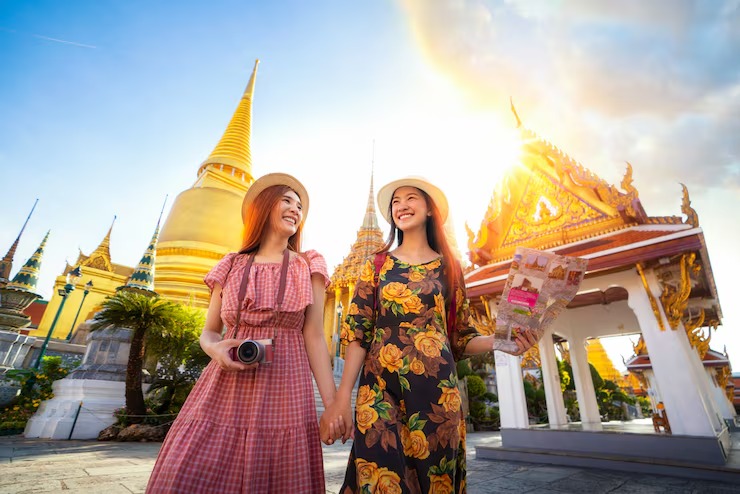
When Is the Best Time to Visit Bangkok? A Complete Travel Tips Guide
Bangkok is a city that never slows down—golden temples, buzzing street markets, rooftop bars, and rich cultural traditions collide in one vibrant capital. But because Bangkok has a tropical climate, choosing the best time to visit Bangkok can significantly shape your experience. Weather, crowd levels, prices, and festivals all play a role in determining when your trip will be most enjoyable.
This complete guide breaks down Bangkok’s seasons, monthly weather patterns, festivals, and insider travel tips to help you decide the ideal time to plan your visit—whether you’re chasing perfect sightseeing weather, cultural celebrations, or budget-friendly deals.
Cool and Dry Season: The Golden Window (November – February)
For most travelers, the cool and dry season is considered the ideal time to travel to Bangkok. From November through late February, the city experiences lower humidity, minimal rainfall, and average daytime temperatures around 27–30°C (81–86°F). While “cool” is relative in a tropical climate, these months are far more comfortable for sightseeing.
This is the season when you can explore Bangkok’s top attractions without battling extreme heat. Wandering through Chatuchak Weekend Market, climbing the steps of Wat Arun, or strolling along the Chao Phraya River feels far more manageable. Evenings are pleasant, making rooftop dining and night markets especially enjoyable.
The city also comes alive with cultural events. Loi Krathong, which usually falls in late November (dates vary annually), is one of Bangkok’s most beautiful festivals. Thousands of candle-lit floats are released onto rivers and canals, creating a magical atmosphere that draws visitors from around the world.
However, this is also peak tourist season. Major attractions like the Grand Palace and Wat Pho are busy, and hotel prices are at their highest. If you plan to visit during these months, booking accommodation three to four months in advance is strongly recommended.
Hot Season: Heat, Energy, and Celebration (March – June)
As March arrives, temperatures begin to rise quickly. The hot season runs from March through June, with April being the hottest month of the year. Daytime temperatures often exceed 35°C (95°F), and humidity levels increase, making outdoor sightseeing more challenging.
Despite the heat, this period attracts travelers for one major reason: Songkran, Thailand’s New Year festival. Celebrated every year from April 13–15, Bangkok turns into a city-wide water celebration. Streets fill with locals and tourists joyfully splashing water, offering relief from the heat while celebrating renewal and tradition.
Beyond the festivities, visiting Bangkok during the hot season requires smart planning. Early mornings are best for temples and outdoor markets, while afternoons are ideal for indoor attractions. Bangkok’s world-famous shopping malls—such as Siam Paragon, MBK Center, and ICONSIAM—offer air-conditioned comfort, dining, and entertainment.
Hotel prices during this season are generally lower than winter months, making it a reasonable option for travelers who can handle the heat and want to experience Thailand’s most energetic celebration.
Rainy Season: The Green Bargain (July – October)
The rainy season, often called the monsoon season, is the most misunderstood time to visit Bangkok. Running from July to October, this period brings higher rainfall, particularly in September and early October. However, rain rarely lasts all day. Instead, short and intense afternoon showers are common, followed by clearer skies.
For budget-conscious travelers, this can be the best time to visit Bangkok. Hotels—especially luxury properties—often reduce prices by 30% to 50%, and crowds at popular attractions are noticeably smaller. Visiting temples, museums, and markets becomes far less hectic.
The rain also transforms the city. Parks such as Lumphini Park and Benjakitti Park become lush and green, offering a refreshing contrast to the concrete skyline. Fewer tourists mean shorter queues, better photo opportunities, and a more relaxed pace.
Packing a lightweight poncho or umbrella is essential, and flexibility is key. If rain interrupts your plans, it’s the perfect excuse to enjoy a traditional Thai massage, café-hop, or explore indoor attractions like the Bangkok National Museum.
Month-by-Month Bangkok Weather Overview
Understanding monthly patterns helps fine-tune your travel planning. Below is a general overview of weather and crowd levels throughout the year.
-
January – February: Cool, dry, and busy. Best for sightseeing and first-time visitors.
-
March: Warmer temperatures, moderate crowds, great for shopping and rooftop dining.
-
April: Hottest month, lively atmosphere due to Songkran celebrations.
-
May – June: Increasing rainfall, fewer tourists, good hotel deals.
-
July – August: Green landscapes, moderate crowds, ideal for indoor attractions.
-
September: Wettest month, lowest crowds, maximum discounts.
-
October: Rain begins to ease, fresh atmosphere, quieter city.
-
November: Dry season begins, cultural festivals, comfortable weather.
-
December: Festive vibe, peak crowds, excellent weather.
This seasonal rhythm is a key part of successful Bangkok travel planning.
Smart Sightseeing: How to Beat Heat and Crowds
No matter when you visit, daily strategy matters. Bangkok’s tropical climate can be draining without proper planning. One of the best transportation options is the Chao Phraya Express Boat. It’s affordable, scenic, and allows you to reach riverside attractions without sitting in traffic.
Arriving early is crucial. Visiting the Grand Palace right at opening time (around 8:30 AM) helps you avoid both the heat and tour bus crowds. Shoulder-season travelers should plan “indoor–outdoor” days—outdoor sightseeing in the morning, indoor attractions or malls in the afternoon.
The BTS Skytrain and MRT Subway are the fastest and most comfortable ways to get around the city. They are air-conditioned, reliable, and help you bypass Bangkok’s traffic congestion.
Bangkok Festivals Worth Planning Your Trip Around
Sometimes, the best season to visit Bangkok isn’t about weather—it’s about culture.
-
Songkran (April): A joyful mix of spiritual tradition and playful water celebrations marking the Thai New Year.
-
Loi Krathong (Late November): A serene and romantic festival with floating lights on the river (dates vary annually).
-
Chinese New Year (January or February): Celebrated vibrantly in Yaowarat (Chinatown) with lanterns, dragon dances, and exceptional street food.
These festivals add depth and unforgettable memories to any visit.
Essential Bangkok Travel Tips for Every Season
Regardless of timing, a few tips apply year-round. Always carry a small umbrella or poncho—it helps with both sun and sudden rain. When visiting temples, remember the dress code: shoulders and knees should be covered. Carrying a light scarf or linen shirt makes this easy.
Stay hydrated by drinking bottled water regularly, and don’t underestimate the heat. Tuk-tuks are fun for short rides, but metered taxis or public transport are usually cheaper and more comfortable for longer distances.
Final Thoughts: Choosing the Right Time for You
The best time to visit Bangkok ultimately depends on your travel style. If you want perfect weather and don’t mind crowds, November to February is ideal. If festivals and energy excite you, April offers an unforgettable experience. And if you value savings, greenery, and fewer tourists, the rainy season delivers excellent value.
With smart planning, every season in Bangkok offers something unique—and unforgettable.