
For most travellers, the best time to visit the Maldives is the dry season, which runs roughly from December to April. These months bring the most sunshine, calm seas and excellent visibility for snorkelling. They are also the busiest and most expensive, especially over Christmas, New Year and Easter. The wetter months from May to November bring lower resort prices, fewer guests and some of the best marine-life encounters of the year, in exchange for more showers and a little more wind.
The Maldives sits just north of the equator, so it is warm all year: air temperatures usually stay around 27–31°C and the sea is close to bath-warm in every month. The real difference between seasons is rain, wind and sea conditions, not heat.
Understanding the Maldives dry season and monsoon
The weather is shaped by two monsoons. The northeast monsoon, known locally as Iruvai, brings drier air from about December to April. The southwest monsoon, Hulhangu, arrives around May and lasts into October or November, with more humidity, cloud and rain. Even in the Maldives monsoon months, rain often falls in short, heavy bursts followed by sunshine, and many days are dry. Long periods of grey weather do happen, but they are the exception rather than the rule.
The Maldives month by month
| Months | Weather | Good for | Prices |
|---|---|---|---|
| January – March | Driest and sunniest, calm seas | Beach days, snorkelling, honeymoons | High |
| April | Hot, mostly dry, transition begins | Diving, calm water | High to mid |
| May – June | Southwest monsoon arrives, more showers | Value stays, quiet resorts | Lower |
| July – August | Mixed sun and rain, breezier | Manta rays, family holidays | Mid |
| September – November | Unsettled, gradually drying late in the period | Manta rays, surfing, deals | Lower to mid |
| December | Dry season returns | Festive breaks, sunshine | Highest over the holidays |
January to April: the classic choice
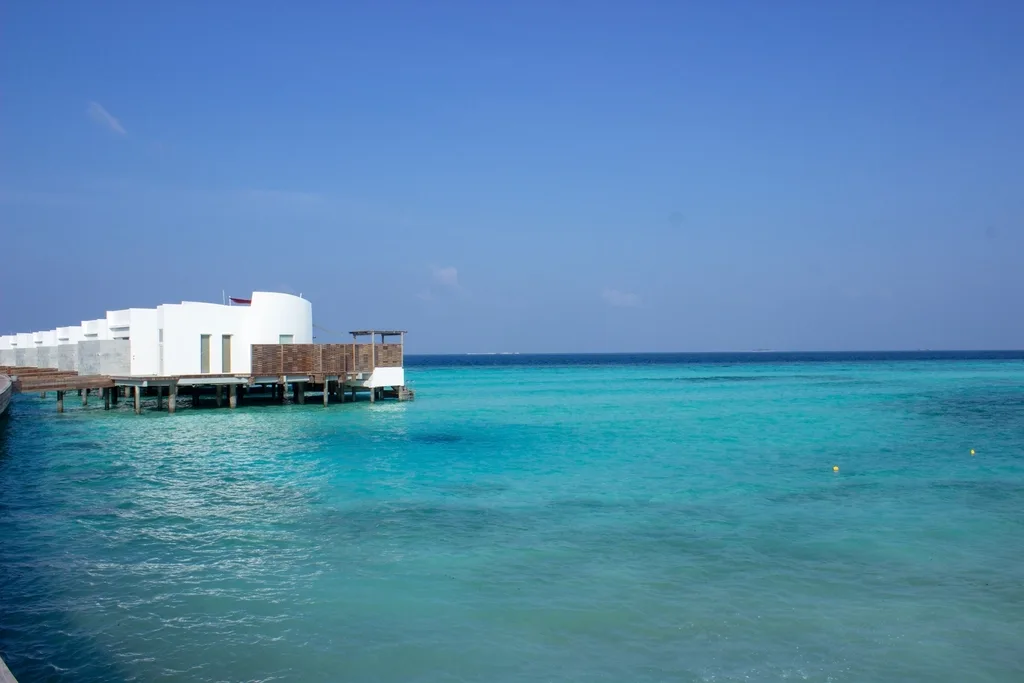
If you want the postcard version of the Maldives — glassy lagoons, endless blue skies and sunsets from your deck — aim for January to April. February and March are often the most reliable months. Book early for these dates: the best overwater villas sell out months ahead, and seaplane seats are limited.
May to November: quieter, greener value
Resort rates usually drop once the southwest monsoon begins, sometimes considerably. You will see more clouds and passing storms, but also fewer guests, more relaxed restaurants and better availability in top villa categories. Many travellers find that a few showers are a fair trade for the savings, especially on a longer stay.
Maldives manta rays, whale sharks and diving seasons
Marine life follows the monsoons. During the southwest monsoon, plankton gathers on the eastern side of some atolls and draws feeding manta rays. Hanifaru Bay in Baa Atoll, a UNESCO biosphere reserve, is famous for large manta gatherings, generally between about June and November. Whale sharks can be seen year-round in South Ari Atoll. In the dry season, visibility on the western reefs is often at its best, and channel dives with sharks are popular.
Surfing
Surfers usually head to the Maldives from around March to October, when southwest swells reach the outer reefs of the North and South Malé atolls. Some resorts and surf charters time their seasons around these months.
Maldives resort prices and how to save
Maldives resort prices follow demand closely. The festive period and Easter are the most expensive weeks of the year, while May, June and September often offer the best value. A few practical ways to keep costs sensible without losing the experience:
- Mix villa types: spend a few nights in a beach villa and finish with an overwater villa.
- Compare meal plans: because every meal is eaten at the resort, half board, full board or all-inclusive can be cheaper than paying à la carte.
- Check transfer costs: seaplane transfers can add significantly to the total; speedboat resorts near Malé are often cheaper and quicker to reach.
- Travel in the shoulder months: late April and November can combine reasonable weather with lower rates.
Getting there and arriving well
International flights land at Velana International Airport near Malé. Resort transfers are arranged by the resort, by speedboat, domestic flight or seaplane. Seaplanes fly only in daylight, so if you land in the evening you may need a night in Malé or Hulhumalé before continuing. When you compare flights, check arrival times against your resort’s transfer schedule before you book.
Other things to consider
- Religious calendar: the Maldives is a Muslim country. Resorts operate normally during Ramadan, but local islands are quieter during the day.
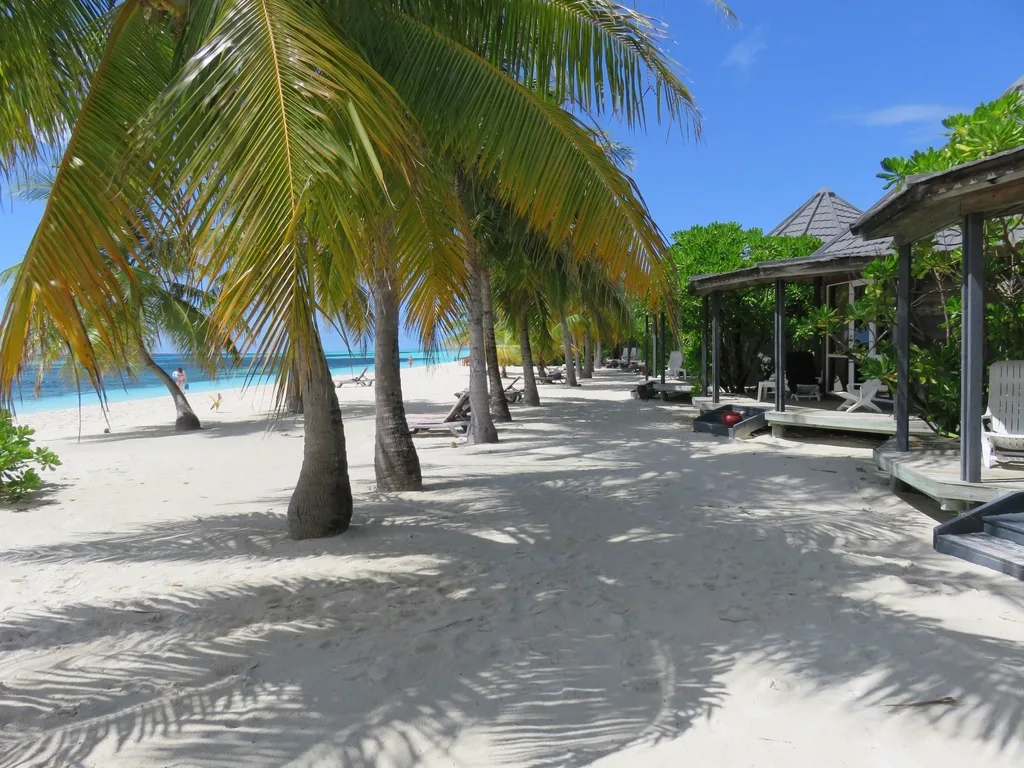
- Local islands: guesthouses on inhabited islands offer a lower-cost way to visit, with local rules on alcohol and dress.
- Sun protection: the equatorial sun is strong in every season; use reef-safe sunscreen and a rash guard when snorkelling.
So, when should you go?
Choose January to April if guaranteed sunshine matters most and budget is flexible. Choose May to November for better value, quieter resorts and the chance to swim with manta rays. Whichever you pick, book your villa and transfers first, then build the rest of the trip — excursions and experiences, a stopover city or a few nights in Malé — around them. For official travel and entry information, the Visit Maldives tourism board is a reliable starting point, and our guide to luxury hotels explains how to choose the right resort.