
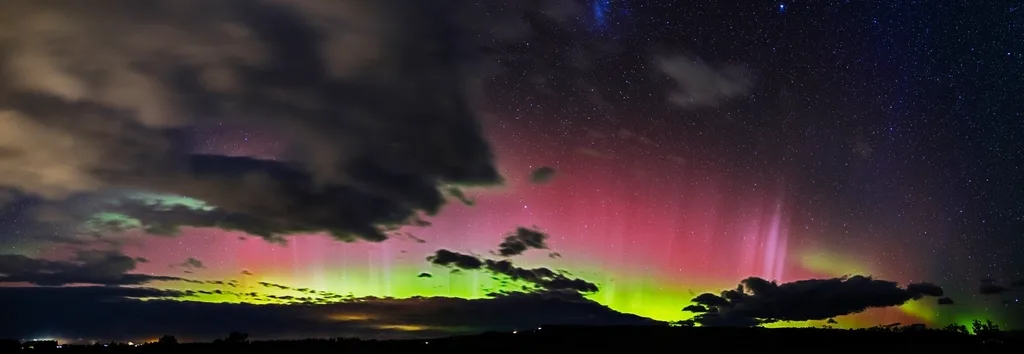
The northern lights in Iceland appear when charged particles from the Sun meet the upper atmosphere and make it glow, usually green and occasionally pink or violet. The aurora is present much of the year, but you can only see it when the sky is properly dark. In Iceland that means the season runs from about late August or September to mid-April. Between May and early August the midnight sun keeps the sky too bright.
Within that window, three things matter: darkness, clear skies and solar activity. You cannot control any of them, but you can plan around all three.
The best time to see the northern lights
| Period | Darkness | What to expect |
|---|---|---|
| September – October | Long evenings, still mild | Good chances, autumn colours, roads easier to drive |
| November – February | Longest nights, about four to five hours of daylight in December | Most hours of darkness, more snow and storms |
| March – early April | Nights shortening | Good activity around the equinox, longer days for sightseeing |
Many aurora guides note that displays around the spring and autumn equinoxes tend to be lively, and the Sun’s roughly 11-year activity cycle peaked around 2024–2025, so strong displays remain fairly common in the years that follow. The single biggest factor on any given night, however, is cloud cover. Plan at least three or four nights in Iceland to give yourself several chances.
Choose dark nights
Moonlight and city lights wash out faint auroras. Nights close to a new moon and locations away from towns give the best contrast. Late evening to the early hours — roughly 9 pm to 2 am — is when many displays peak, though the aurora can appear at any time after dark.
How to read an aurora forecast
The Icelandic Meteorological Office publishes an aurora forecast that combines predicted solar activity with a cloud-cover map. Look first at the clouds: a strong forecast is useless under a solid overcast, while a moderate one under clear skies can produce a beautiful show. The KP index, shown on a scale from 0 to 9, describes geomagnetic activity; in Iceland even KP 2 or 3 can be visible on a clear, dark night. Aurora alert apps can notify you when activity rises, so you can step outside without staying up all night.
Where to see the northern lights in Iceland
- Reykjavik: even in the capital you can sometimes see the lights. The Grótta lighthouse on the Seltjarnarnes peninsula is a popular, darker spot nearby.
- Þingvellir National Park: about an hour from Reykjavik, with wide skies and little light pollution.
- Reykjanes Peninsula: close to Keflavík airport, with lava fields and coastline for dramatic foregrounds.
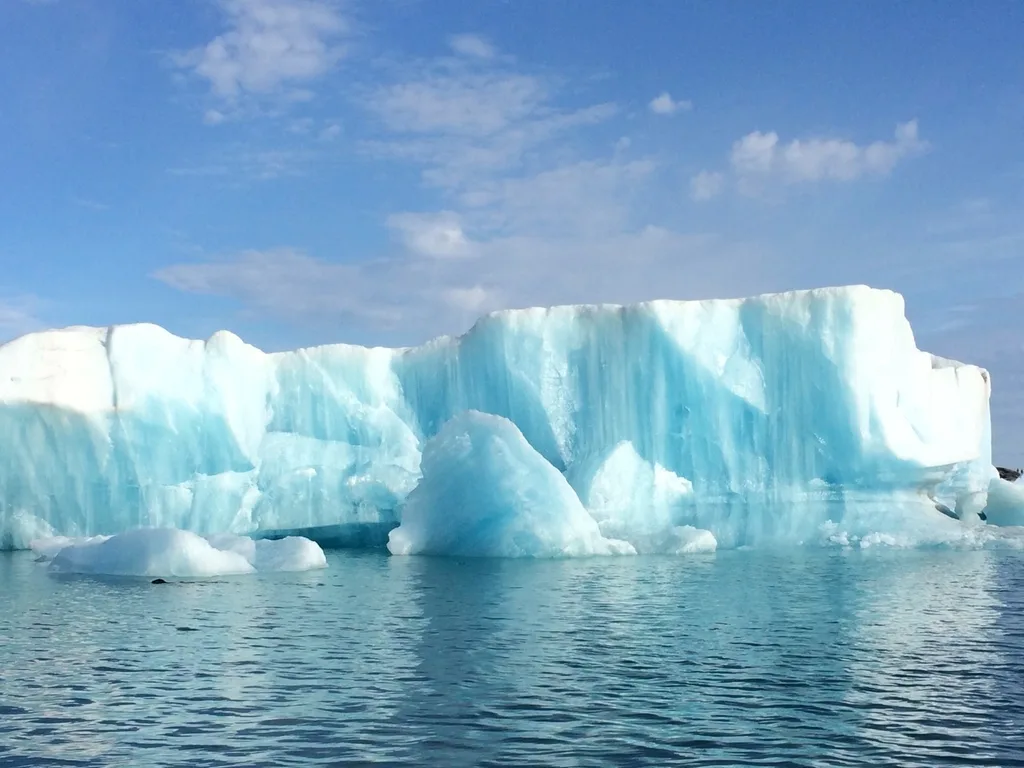
- The south coast: Vík and the area around Jökulsárlón glacier lagoon combine aurora views with black-sand beaches and icebergs.
- Snæfellsnes Peninsula: Kirkjufell mountain is one of the country’s most photographed aurora scenes.
- North Iceland: Akureyri and Lake Mývatn often have different weather from the south, which helps on cloudy nights.
Northern lights tours or self-drive?
Northern lights tours have one big advantage: guides follow the forecasts and drive to wherever the skies are clearest, often well outside Reykjavik. Many operators offer a free second attempt if the lights do not appear. Small-group minibus tours, super-jeep trips and boat departures from Reykjavik’s harbour are all common. Self-driving gives you flexibility, but Iceland in winter brings ice, strong winds and short days. If you drive, check road conditions on umferdin.is, register your trip on SafeTravel and never stop on the road itself to look at the sky.
Combine aurora hunting with daytime adventures
The long winter nights leave plenty of daylight for other experiences: ice-cave tours inside glaciers (usually from around November to March), glacier hikes, the Golden Circle, geothermal lagoons and whale-watching from Reykjavik or Husavík. Booking one or two daytime tours and activities gives structure to the trip while you wait for clear nights.
How to photograph the northern lights
- Use a tripod and switch off image stabilisation.
- Set manual focus to infinity, then check on a bright star.
- Start around ISO 1600–3200, aperture as wide as your lens allows (f/2.8 or lower) and 5–15 second exposures; shorten the exposure when the aurora moves fast.
- Shoot in RAW so you can adjust colour and noise later.
- Phones work too: most recent smartphones have a night mode that captures the aurora well when held steady.
What to wear in Iceland in winter
You may stand outside for an hour or more in temperatures around or below freezing, often with wind. Dress in layers: thermal base layers, a fleece or wool mid-layer, a windproof and waterproof outer jacket and trousers, warm boots with good grip, a hat, gloves and a scarf. Bring hand warmers and a thermos if you are going out independently.
Planning your trip
Base yourself in Reykjavik for easy access to tours, restaurants and the airport, or split your stay between the capital and the south coast for darker skies. When you compare flights to Keflavík, arrive in the afternoon if you can, so your first evening is free for aurora watching. A pre-booked airport transfer makes a late arrival in snow much easier, and our car rental guide explains what to check if you plan to drive.