
Few countries reward slow travel like Switzerland. Its railways climb mountain passes, spiral through tunnels inside mountains and cross viaducts high above gorges, all on a timetable you can set your watch by. Scenic trains in Switzerland turn the journey into the highlight of the day: you sit back with panoramic windows while glaciers, lakes and villages slide by. Seeing the Swiss Alps by train is also practical — many mountain resorts, such as Zermatt, are car-free and best reached by rail.
Below are five of the most rewarding routes, followed by tips on passes, reservations and the best time to travel.
1. Glacier Express: Zermatt to St. Moritz
The Glacier Express links two of the Alps’ most famous resorts in a journey of roughly eight hours, often described as the slowest express train in the world. It crosses 291 bridges, passes through 91 tunnels and climbs to the Oberalp Pass at about 2,033 metres. Panorama carriages have windows that curve into the roof, and meals are served at your seat. Seat reservations are compulsory and carry a supplement, even with a rail pass, and an Excellence Class offers a more exclusive experience with a dedicated host.
2. Bernina Express: Chur to Tirano
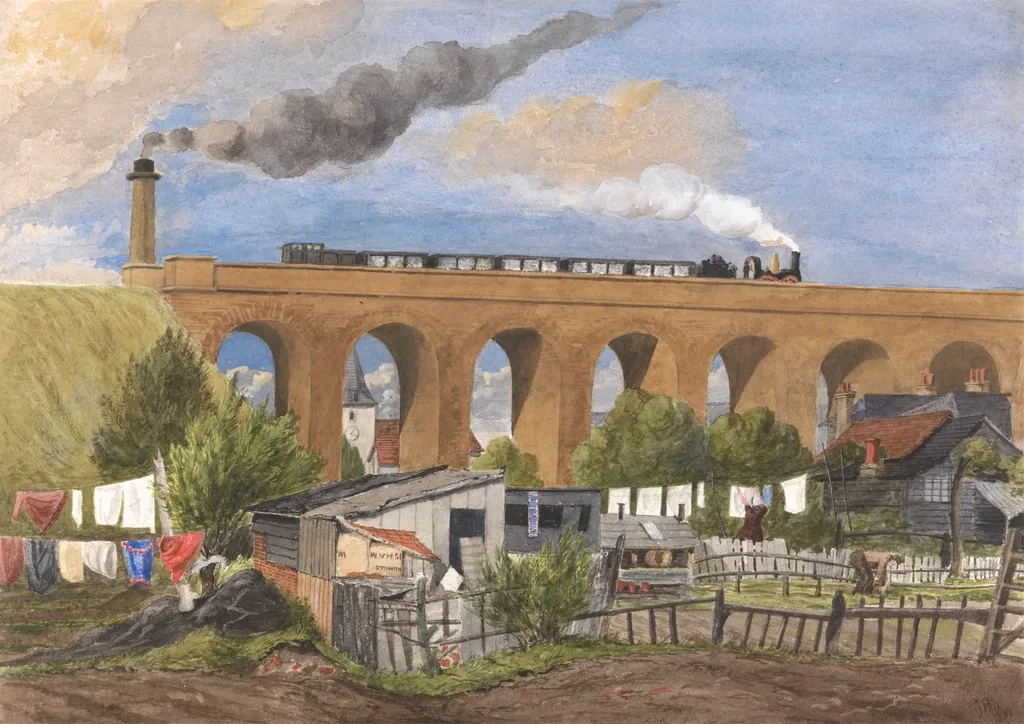
The Bernina Express runs from Chur or St. Moritz over the Bernina Pass and down to Tirano in Italy, dropping from glaciers to palm trees in about four hours from Chur. Its route follows the Albula and Bernina lines, listed together as a UNESCO World Heritage Site. Highlights include the Landwasser Viaduct, the highest point at Ospizio Bernina at about 2,253 metres, and the circular viaduct at Brusio. Reservations are required on the dedicated panoramic trains; regional trains on the same tracks need no reservation but have standard windows.
3. GoldenPass Express: Montreux to Interlaken
This route connects Lake Geneva with the Bernese Oberland, passing vineyards, the chic resort of Gstaad and green alpine valleys. Since late 2022, GoldenPass Express trains run the whole way without a change of train, thanks to bogies that adjust to the different track gauges. It is a gentle, beautiful journey and an easy way to travel between French- and German-speaking Switzerland. Seat reservations are recommended.
4. Gotthard Panorama Express: Lucerne to Lugano
Usually running from spring to autumn, the Gotthard Panorama Express combines a paddle steamer or motor ship across Lake Lucerne with a panoramic train over the historic Gotthard line to Lugano or Bellinzona in Italian-speaking Ticino. The old line’s spiral tunnels and the church at Wassen, seen three times from different angles, are the signature sights. Check the season dates before planning, as it does not run in winter.
5. Gornergrat Railway: Zermatt to the Matterhorn views
Not a long journey but an unforgettable one: the Gornergrat cog railway climbs from Zermatt to about 3,089 metres in around half an hour. At the top, a panorama of 29 peaks over 4,000 metres surrounds you, with the Matterhorn front and centre and the Gorner Glacier below. Go early on a clear morning, and consider staying for sunrise or dinner at the summit hotel.
Comparing the routes
| Journey | Approx. time | Best for | Reservation |
|---|---|---|---|
| Glacier Express | About 8 hours | A full day of alpine scenery | Compulsory, with supplement |
| Bernina Express | About 4 hours from Chur | Glaciers to Italy in one day | Required on panoramic trains |
| GoldenPass Express | About 3 hours | Lakes, vineyards and valleys | Recommended |
| Gotthard Panorama Express | About 5 hours with the boat | Lake and mountain combination | Required; seasonal |
| Gornergrat Railway | About 30 minutes each way | Matterhorn views | Not required |
Swiss Travel Pass or point-to-point tickets?
The Swiss Travel Pass covers unlimited travel on most trains, buses and boats across the country, along with free entry to many museums and discounts on many mountain railways. It suits travellers who move around a lot over several days. If you plan only one or two long journeys, point-to-point tickets — especially discounted “saver” fares booked early — may cost less. In both cases, the panoramic trains need separate seat reservations. Official timetables, fares and pass details are on the Swiss Federal Railways (SBB) website.
Practical tips
- Book panoramic seats early for summer and the Christmas period; they often sell out.
- Choose the side: window seats on either side are good on most routes, but research your train, as views on some sections favour one side.
- Travel light: Swiss luggage services can send your bags ahead between stations, leaving you free to enjoy the ride.
- Watch the weather: clear days make the biggest difference to the views. If your dates are flexible, keep the scenic leg for the sunniest forecast.
- Combine with cable cars: Jungfraujoch, Schilthorn and Titlis are classic additions to a rail trip.
Best time to ride
Every season has its appeal. Summer brings green meadows and long days; autumn adds golden larches and clearer air; winter turns the routes into a snowy wonderland, often with fewer passengers outside the holidays. Spring can be changeable in the high mountains, but lower lakes are already in bloom.
Planning your Swiss rail trip
Most international visitors fly into Zurich or Geneva, both connected directly to the national rail network. When you compare flights, consider flying into one city and out of the other to avoid backtracking. Choose bases in two or three regions — for example Zermatt, the Jungfrau region and Lucerne — and link them with the scenic routes above. Our where to stay guide covers choosing the right base, and you can add guided excursions on our tours page.